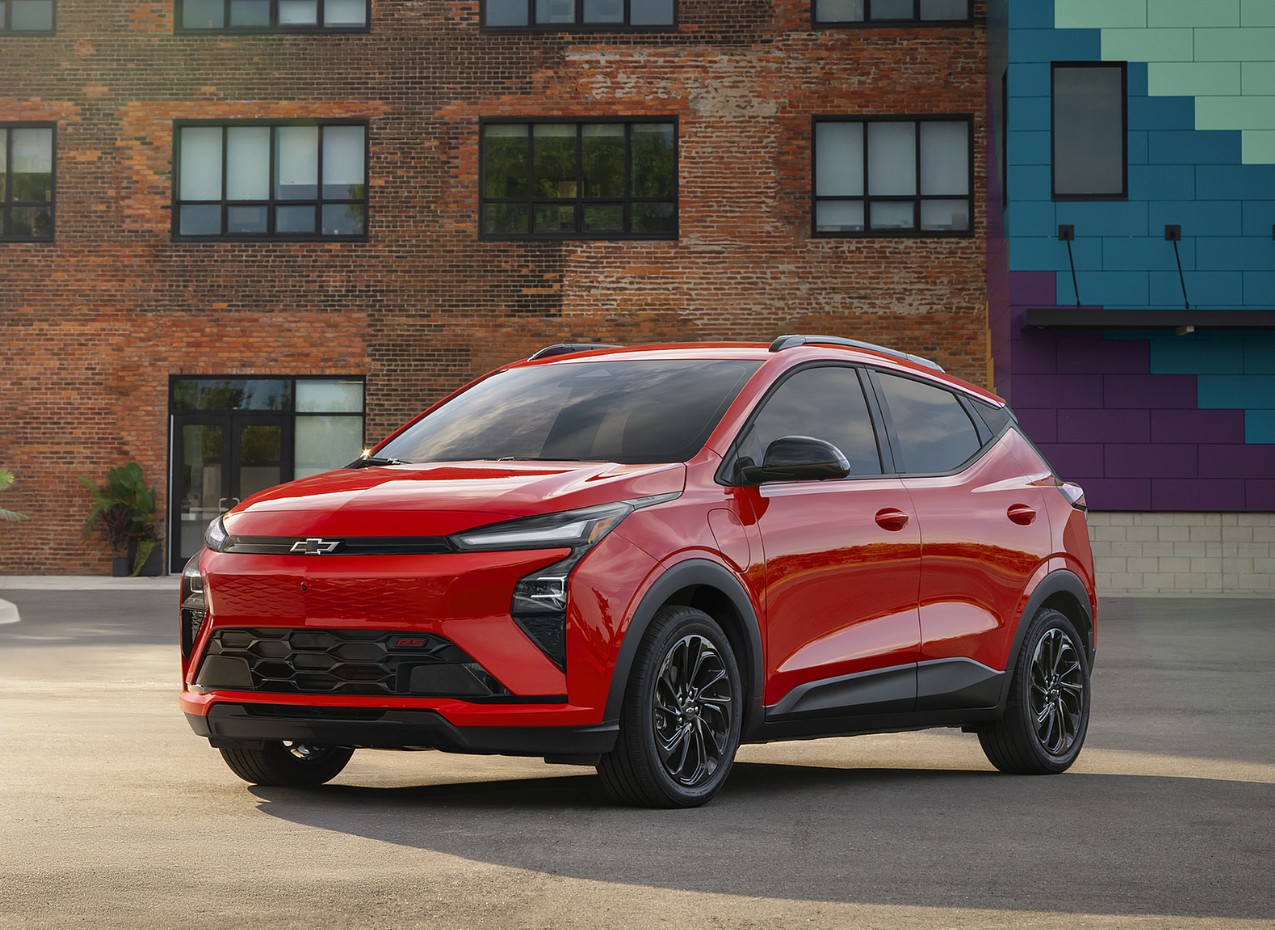
2028 Chevrolet Bolt Release Date, Price, Specs – The 2028 Chevrolet Bolt is an interesting name for electric vehicle shoppers who want modern technology, practical driving range, and affordable ownership without paying luxury-car prices. The Chevrolet Bolt has built a strong reputation as an accessible electric vehicle, attracting customers who appreciate its compact dimensions, responsive electric motor, useful interior space, and relatively straightforward ownership experience. Following its return as a 2027 model, the Bolt has received important mechanical and technological improvements, including a new lithium iron phosphate battery, faster DC charging, updated digital displays, and a native North American Charging Standard connection. These developments create an opportunity for Chevrolet to take the next step if the Bolt nameplate continues into the 2028 model year. However, Chevrolet has not officially confirmed a 2028 production model, making it important to distinguish future expectations from the specifications already announced for the returning Bolt.
The latest Bolt represents a different approach to affordable electric transportation. Instead of abandoning the characteristics that made the original vehicle popular, Chevrolet has retained its compact proportions and familiar practicality while updating the components that matter most in everyday electric driving. The newer model uses a 65-kWh lithium iron phosphate battery and an improved electric drive system, delivering a manufacturer-estimated range of up to 262 miles on a full charge. Its DC fast-charging capability has also increased substantially, allowing the battery to charge from 10 to 80 percent in approximately 25 minutes under suitable conditions. For customers who previously considered charging speed a major weakness of the Bolt, these improvements make the vehicle considerably more attractive. A potential 2028 successor would need to preserve these advantages while delivering further improvements in convenience, efficiency, and technology.
Competition in the affordable electric vehicle segment is becoming increasingly intense. Buyers can compare the Bolt with vehicles such as the Nissan Leaf, Hyundai Kona Electric, Kia Niro EV, and other compact electric crossovers, depending on market availability. These competitors offer different combinations of driving range, passenger comfort, charging performance, and equipment. Chevrolet’s strongest opportunity is to maintain an attractive relationship between purchase price and everyday usability. A compact EV does not necessarily need an enormous battery or expensive performance hardware to satisfy most commuting requirements. Instead, dependable charging performance, useful driving range, manageable dimensions, and an easy-to-operate infotainment system can make a much greater difference to daily ownership. These are the qualities that could keep the Bolt relevant if Chevrolet develops a 2028 version.
For prospective buyers, the most important question is whether Chevrolet will introduce a genuinely new generation or continue the current Bolt for another model year. The returning 2027 vehicle has been positioned as a limited-production model, and industry reporting has suggested that its production could be relatively short. There is therefore no confirmed 2028 redesign, release date, trim structure, or pricing announcement to rely on. Nevertheless, the improvements already introduced provide a useful foundation for discussing what a future version could offer. A continued Bolt lineup could feature refined battery management, improved charging consistency, more advanced driver assistance, and a better-integrated digital cabin. Until Chevrolet makes an official announcement, the 2028 Chevrolet Bolt should be viewed as a potential future development rather than a confirmed production vehicle. 2028 Chevrolet Bolt Release Date
2028 Chevrolet Bolt Redesign and Update Plan
Exterior & Interior
A future redesign of the 2028 Chevrolet Bolt would need to balance recognizable styling with the practical proportions that have defined the nameplate. The returning model already features revised front and rear fascias, updated lighting elements, and a more contemporary appearance compared with the previous-generation Bolt. Its compact body remains useful for urban transportation, where narrow streets, crowded parking facilities, and limited maneuvering space can make larger electric SUVs inconvenient. Chevrolet could build on this foundation with a more distinctive front grille treatment, slimmer LED headlights, revised bumper details, and additional aerodynamic improvements. Because electric vehicles do not require traditional engine-cooling openings, designers have greater freedom to create a smooth front-end appearance. A future model could use this flexibility to establish a stronger visual identity while maintaining the familiar Bolt silhouette.
The side profile could also receive attention if Chevrolet decides to introduce a more comprehensive exterior update. The existing Bolt uses a relatively upright roofline and compact proportions that prioritize passenger accommodation rather than aggressive sports-car styling. For a future version, redesigned alloy wheels, sharper character lines, revised door surfaces, and updated exterior colors could create a more sophisticated appearance. Improved aerodynamic detailing around the wheels, mirrors, and underbody could help reduce air resistance, potentially supporting better highway efficiency. Chevrolet could also introduce more distinctive appearance packages to appeal to customers who prefer either a restrained everyday design or a sportier visual personality. Any major changes would need to retain the vehicle’s practical dimensions, because compact size remains one of the Bolt’s most useful characteristics.
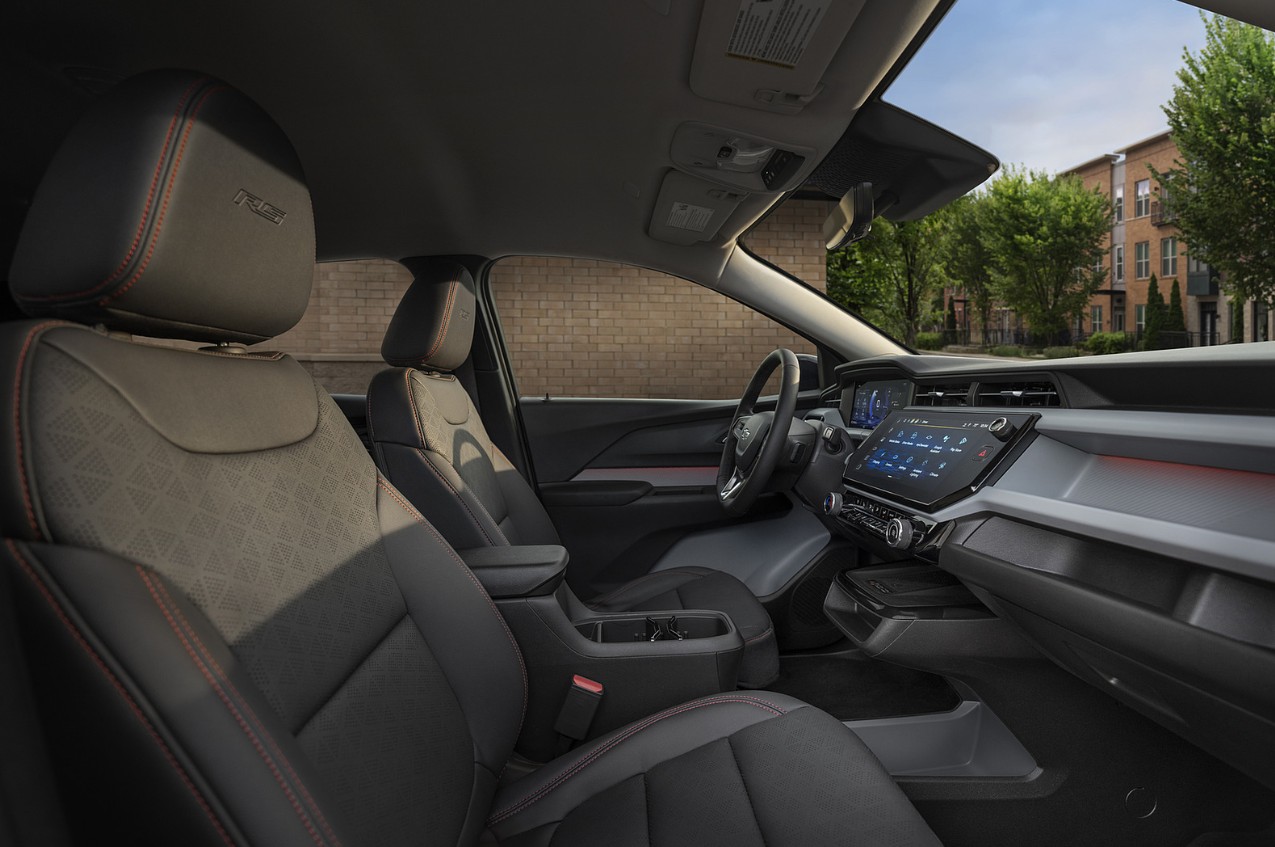
Interior development could represent one of the most important opportunities for a future Chevrolet Bolt. The returning 2027 model already introduces a significantly modernized dashboard, an 11-inch digital driver information display, and an 11.3-inch infotainment touchscreen. These screens give the cabin a more contemporary appearance and make important driving information easier to access. A potential 2028 version could refine the interface through faster processing, clearer graphics, more intuitive menus, and improved integration between navigation and battery management. Chevrolet could also improve the physical controls surrounding the touchscreen, ensuring that frequently used climate and vehicle functions remain straightforward to operate. Better dashboard materials, attractive trim finishes, and improved sound insulation would further enhance the overall experience without necessarily requiring an expensive luxury-oriented interior.

Passenger comfort and cargo flexibility should remain major priorities because the Bolt is expected to serve as a practical everyday vehicle rather than a specialized performance EV. Its compact footprint does not prevent it from providing useful space for passengers, groceries, work equipment, and weekend luggage. The current generation offers a versatile rear seating arrangement and a cargo area that expands when the rear seats are folded. A future model could improve seat cushioning, rear-seat storage, charging-port placement, and the accessibility of smaller storage compartments. More comfortable front seats would be especially valuable for drivers who spend several hours commuting each day. Chevrolet could also consider improved rear ventilation, additional USB charging connections, and more convenient smartphone storage. These refinements would make the cabin feel better organized while preserving the Bolt’s straightforward, space-conscious character.
2028 Chevrolet Bolt Specs
Engine & Performance
Electric powertrain performance will remain central to the 2028 Chevrolet Bolt’s appeal if the nameplate continues beyond its currently announced model. The returning 2027 Bolt uses a single permanent-magnet electric motor producing approximately 210 horsepower and 169 lb-ft of torque. Power is delivered to the front wheels through a single-speed reduction gear, providing immediate acceleration without the traditional gear changes associated with gasoline-powered vehicles. This configuration makes the Bolt particularly suitable for city driving, where quick responses from a standstill can be useful when entering traffic or moving through intersections. A future model could retain this efficient front-wheel-drive arrangement while improving motor calibration, thermal management, and power delivery. Chevrolet could also refine acceleration response to make the vehicle feel more consistent during different battery charge levels and driving conditions.
The electric motor’s output is only one part of the driving experience. Smooth acceleration, predictable braking, stable handling, and manageable vehicle weight are equally important for a compact electric car. The current Bolt combines its electric drive system with a relatively simple chassis designed for everyday comfort and practicality. A potential 2028 version could benefit from revised suspension tuning, improved steering calibration, and more sophisticated regenerative braking controls. These improvements would help the vehicle feel composed on uneven city roads while maintaining stability at highway speeds. Regenerative braking is particularly important because it allows the electric motor to recover some energy during deceleration and return it to the battery. More adjustable regeneration settings could give drivers greater control over how the vehicle slows down, improving both driving comfort and energy management.
Battery technology will be another important area to watch. The returning Bolt uses a 65-kWh lithium iron phosphate battery pack, commonly referred to as an LFP battery. This chemistry offers advantages in cost, durability, and charging flexibility, making it attractive for an affordable electric vehicle. Chevrolet has combined the battery with an improved electrical system and a more efficient electric drive unit to achieve a manufacturer-estimated driving range of up to 262 miles. A future model could build on this foundation through more advanced battery management software, improved thermal control, and refinements that reduce energy consumption during everyday operation. However, a larger battery should not automatically be expected. Chevrolet may find that improving the efficiency of existing hardware offers a more affordable route to additional range than installing a significantly more expensive battery pack.
Charging performance is one of the most meaningful improvements introduced with the returning Bolt. The 2027 model supports DC fast charging at up to 150 kW and can recharge from 10 to 80 percent in approximately 25 minutes under suitable charging conditions. Its native NACS port also provides direct compatibility with appropriately equipped charging stations in North America, including compatible Tesla Superchargers. For home charging, the vehicle supports AC charging at up to 11.5 kW, depending on the installed equipment and electrical supply. If Chevrolet develops a 2028 version, further improvements could focus on maintaining higher charging power for longer periods, improving battery preconditioning, and making charging stops easier to plan through the navigation system. These developments would be particularly valuable for owners who occasionally travel beyond their normal commuting distance. 2028 Chevrolet Bolt Release Date
2028 Chevrolet Bolt Fuel Economy
Fuel economy for the 2028 Chevrolet Bolt should be evaluated through electricity consumption rather than gasoline miles per gallon. As a fully electric vehicle, the Bolt does not use a conventional gasoline engine, require routine oil changes, or produce tailpipe emissions during normal electric operation. Its efficiency is influenced by battery capacity, motor calibration, tire resistance, aerodynamic drag, outside temperature, vehicle speed, and driving habits. The returning 2027 Bolt’s estimated range of up to 262 miles provides a useful reference point, but Chevrolet has not published official efficiency ratings for a 2028 version. A future model could achieve improved energy consumption through better aerodynamic components, lower rolling resistance, and more effective battery thermal management. Cold weather and sustained highway speeds would still affect practical range, so drivers should consider local conditions when evaluating the vehicle’s everyday capabilities.
2028 Chevrolet Bolt Safety Features
Safety technology should remain a significant part of the future Chevrolet Bolt package. The returning model benefits from modern electronic systems and an expanded collection of driver-assistance features compared with the original vehicle. A potential 2028 version could build on this equipment with improved camera processing, more accurate object detection, and better integration between active safety systems. Features such as Automatic Emergency Braking, Forward Collision Alert, Front Pedestrian Braking, Lane Keep Assist, and Lane Departure Warning are particularly useful in everyday traffic environments. These systems can help drivers recognize developing hazards and respond more quickly, although they do not replace attentive driving. Chevrolet could also refine the sensitivity and operating behavior of these technologies to reduce unnecessary warnings while maintaining reliable assistance when dangerous situations occur.
More advanced driver-assistance technology could make the Bolt more competitive with newer electric vehicles. One particularly notable feature available on the returning model is Super Cruise, Chevrolet’s hands-free driver assistance technology for compatible roads and properly equipped vehicles. The system uses cameras, sensors, and mapping information to support hands-free driving under approved conditions, while monitoring driver attention. If a future Bolt retains this technology, Chevrolet could make improvements to system responsiveness, route guidance, and the overall relationship between Super Cruise and the vehicle’s navigation functions. Additional equipment such as Rear Cross Traffic Alert, Blind Zone Steering Assist, Rear Park Assist, and improved parking cameras could also make the compact EV easier to operate in crowded urban locations. Final availability would depend on the production configuration and Chevrolet’s future equipment decisions.
Cabin technology is another area where a future Bolt could distinguish itself from older affordable electric cars. The latest model introduces Google-based infotainment software, a large central touchscreen, and a digital instrument display that provides essential vehicle information. Built-in navigation can help drivers locate charging stations and plan longer trips, while connected services provide access to additional vehicle functions. A future version could improve voice recognition, application responsiveness, smartphone integration, and software update capabilities. Chevrolet could also make the charging interface more informative by providing clearer battery temperature information, charging estimates, and energy consumption statistics. Features such as wireless phone charging, multiple USB connections, and a premium audio option would improve convenience. However, buyers should check compatibility requirements carefully, as the current GM infotainment approach does not provide every smartphone feature traditionally associated with Apple CarPlay.
2028 Chevrolet Bolt Release Date & Price
The 2028 Chevrolet Bolt trim lineup remains unconfirmed because Chevrolet has not officially announced the vehicle as a separate production-year model. The returning Bolt provides a useful reference for understanding the current equipment strategy, with the LT serving as the main entry-level configuration and the RS offering a more distinctive appearance and additional equipment. The LT focuses on delivering the essential features expected from an affordable electric vehicle, including modern digital displays, useful connectivity, and practical everyday equipment. This version would likely remain the most attractive choice for customers who prioritize purchase price and driving efficiency over decorative upgrades. If Chevrolet continues the lineup for 2028, the LT could receive additional standard technology while retaining its position as the most accessible configuration.
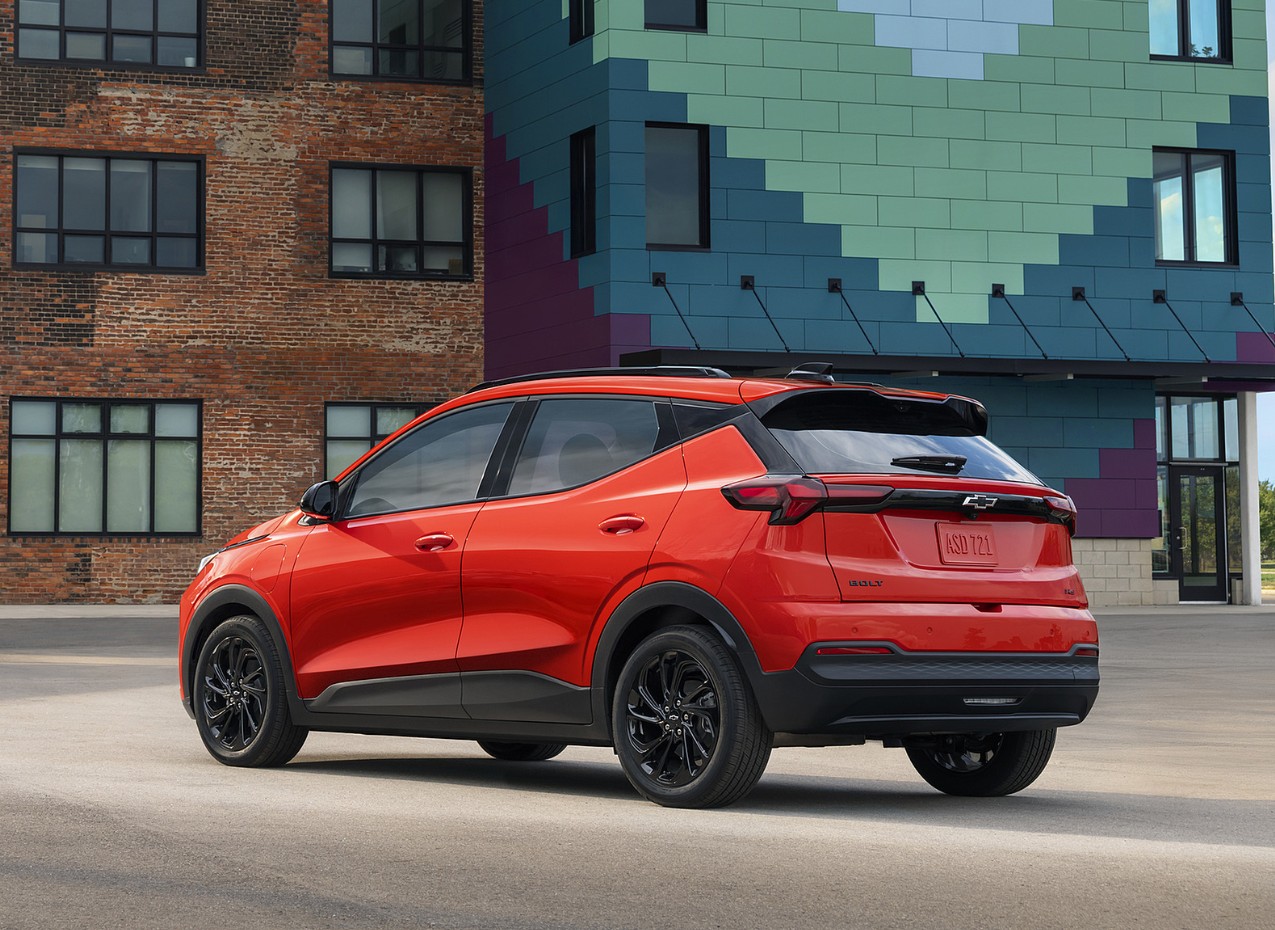
The RS trim gives the Bolt a different personality through sportier exterior details and a more visually distinctive presentation. Darkened design elements, unique wheel styling, and additional appearance upgrades help separate it from the more conservative entry-level configuration. A future RS could benefit from improved interior accents, upgraded seating materials, additional convenience equipment, and more customization options. However, a sportier appearance should not be confused with a high-performance electric powertrain. The current Bolt’s single-motor configuration is designed primarily for accessible everyday transportation rather than aggressive track driving. Chevrolet could potentially introduce different driving modes or revised steering settings to create a more engaging experience, but no dedicated 2028 performance variant has been confirmed. Buyers should therefore consider the RS primarily as an appearance and equipment choice unless Chevrolet announces additional mechanical changes.
Pricing will be one of the most important factors if Chevrolet decides to continue the Bolt into 2028. The returning 2027 Chevrolet Bolt LT carries a starting MSRP of $28,995 in the United States, excluding applicable taxes, title, license, dealer charges, and optional equipment. This positioning makes the vehicle especially attractive to shoppers who want an electric car without moving into a substantially more expensive SUV category. There is currently no official 2028 MSRP, and any future estimate must remain speculative. If the manufacturer introduces improved equipment, additional technology, or significant battery changes, a moderate price adjustment could be possible. An entry-level version would ideally remain below $30,000, while a better-equipped RS could cost more depending on the final package structure. Local incentives and dealer pricing could also influence the actual purchase cost.
The release date of the 2028 Chevrolet Bolt is currently unknown because Chevrolet has not confirmed a 2028 model-year launch. The returning 2027 Bolt was introduced as a limited-run vehicle, and reporting about its production schedule has raised questions about whether the nameplate will continue in its current form. Consequently, it would be inaccurate to promise a particular showroom arrival date or claim that preorders for a 2028 version have opened. If Chevrolet decides to extend the program, additional details about production, specifications, and dealership availability could emerge during 2027. Prospective buyers should monitor official Chevrolet announcements rather than relying on unofficial launch calendars. Customers who need an electric vehicle sooner can also consider the currently available 2027 Bolt, whose confirmed specifications provide a clearer picture of what Chevrolet presently offers. 2028 Chevrolet Bolt Release Date
Conclusion
The 2028 Chevrolet Bolt could represent an interesting opportunity for Chevrolet to strengthen its position in the affordable electric vehicle market, but its future remains dependent on an official continuation announcement. The latest Bolt already addresses several important weaknesses of the previous generation through faster DC charging, an improved battery system, modern digital displays, and a more accessible charging connection. If these improvements are followed by better interior refinement, smarter safety technology, and increased energy efficiency, a future model could become an even more attractive everyday electric car. Its greatest advantage would remain the combination of practical dimensions, useful range, straightforward performance, and competitive pricing. Until Chevrolet confirms the 2028 model, buyers should treat redesign details, projected prices, and release expectations as possibilities rather than guaranteed specifications. Nevertheless, the Bolt remains an important name in affordable electric transportation, and its next chapter is worth watching.
Note: Most of the content in this blog post comes from sources that were accessible before the product was released. Consult official sources or get in touch with your neighborhood dealership for the most recent information.
Frequently Asked Questions
2028 Chevrolet Bolt Release Date, Price, Specs - The 2028 Chevrolet Bolt is an interesting name for electric vehicle shoppers who want modern technology, practical driving range, and affordable ownership without paying luxury-car prices. The Chevrolet Bolt has built a strong reputation as an accessible electric vehicle, attracting…
The latest Bolt represents a different approach to affordable electric transportation. Instead of abandoning the characteristics that made the original vehicle popular, Chevrolet has retained its compact proportions and familiar practicality while updating the components that matter most in everyday electric driving. The newer model uses a 65-kWh…
Competition in the affordable electric vehicle segment is becoming increasingly intense. Buyers can compare the Bolt with vehicles such as the Nissan Leaf, Hyundai Kona Electric, Kia Niro EV, and other compact electric crossovers, depending on market availability. These competitors offer different combinations of driving range, passenger comfort,…
For prospective buyers, the most important question is whether Chevrolet will introduce a genuinely new generation or continue the current Bolt for another model year. The returning 2027 vehicle has been positioned as a limited-production model, and industry reporting has suggested that its production could be relatively short.…
2028 Chevrolet Bolt Redesign and Update Plan Exterior & Interior A future redesign of the 2028 Chevrolet Bolt would need to balance recognizable styling with the practical proportions that have defined the nameplate. The returning model already features revised front and rear fascias, updated lighting elements, and a…