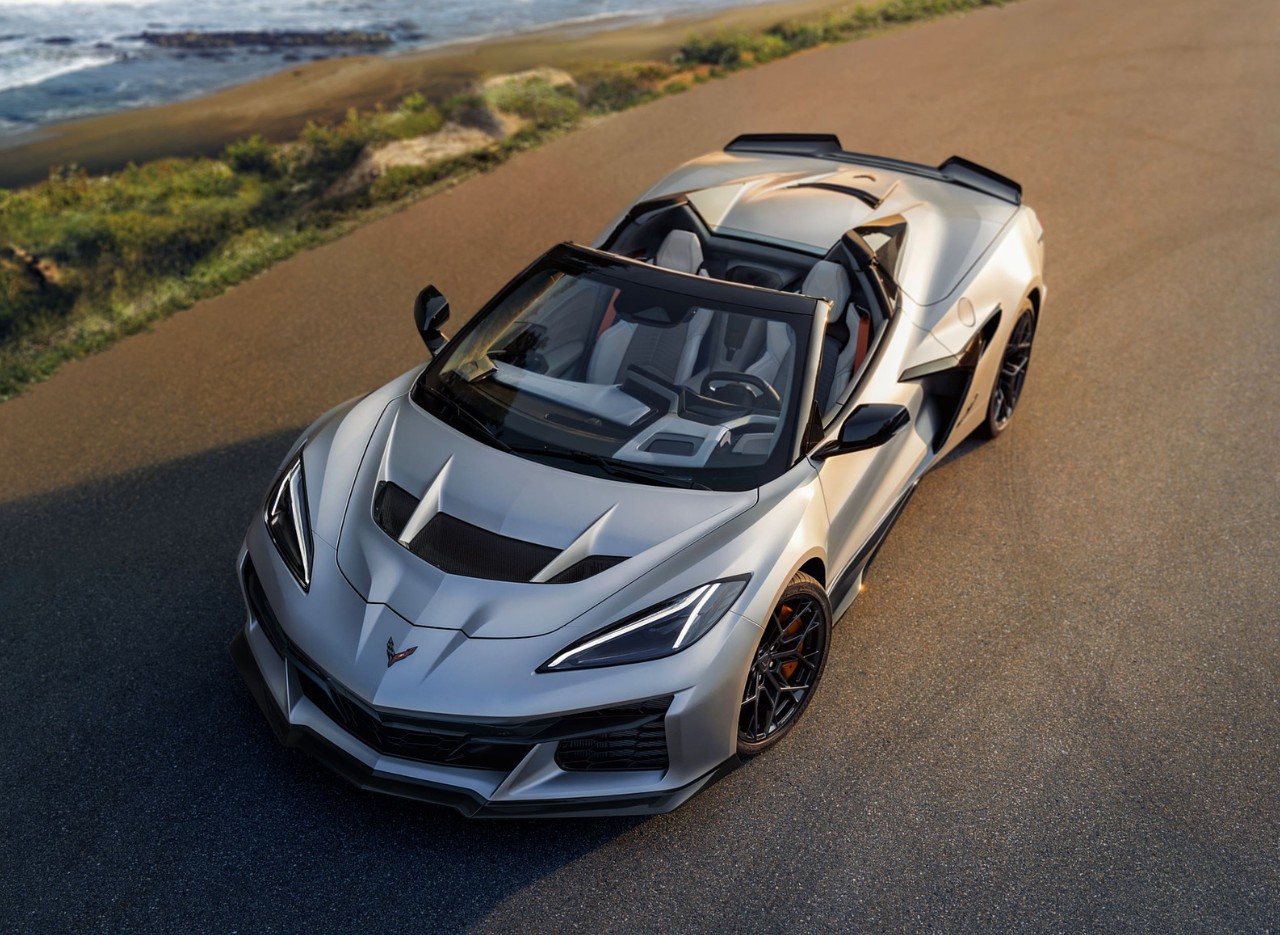
2028 Chevrolet Corvette ZR1X Review, Specs, Price – The 2028 Chevrolet Corvette ZR1X could represent the next chapter in America’s growing hypercar revolution, combining extraordinary V8 performance with electrified all-wheel-drive technology. The ZR1X name already stands at the top of Chevrolet’s eighth-generation Corvette lineup, bringing together the engineering achievements of the ZR1 and E-Ray in a single high-performance machine. Its combination of a mid-mounted twin-turbocharged V8 and a front electric motor produces a remarkable 1,250 horsepower, placing it in the same performance conversation as some of the world’s most exclusive supercars. For 2028, enthusiasts will be watching closely to see whether Chevrolet introduces further refinements to its flagship performance model, particularly in aerodynamics, hybrid power delivery, chassis control, and track-focused equipment. Although the 2028 model has not been officially announced, the existing ZR1X provides an extraordinary foundation for what could follow.
The current Corvette ZR1X is more than a conventional high-output sports car with an electric motor added for marketing purposes. Its electrified front axle creates an advanced all-wheel-drive system, allowing the vehicle to combine the rear-mounted V8’s immense power with immediate electric torque at the front wheels. This arrangement improves traction during acceleration and gives engineers additional opportunities to control the vehicle’s behavior under demanding driving conditions. The gasoline engine alone produces 1,064 horsepower and 828 lb-ft of torque, while the front electric drive unit contributes another 186 horsepower and 145 lb-ft. Together, the system delivers a combined output of 1,250 horsepower. A potential 2028 version could build on this engineering approach with improved electronic coordination, refined battery management, and more sophisticated power distribution between the front and rear axles.
The Corvette ZR1X also represents an important development in the history of the American performance car. For decades, the Corvette has offered customers an alternative to expensive European sports cars through a combination of powerful engines, distinctive styling, and competitive track capability. The eighth-generation mid-engine platform significantly changed the vehicle’s architecture, allowing Chevrolet to pursue performance targets that would have been difficult to achieve with the traditional front-engine layout. The ZR1X takes that concept further by combining a twin-turbocharged flat-plane-crankshaft V8 with electric front-wheel assistance. Its rivals include the Ferrari F80, McLaren W1, and other ultra-high-performance machines, although the Corvette’s pricing strategy gives it a different position in the market. A 2028 model would have the opportunity to reinforce this identity while bringing additional engineering improvements to an already exceptional platform.
Chevrolet has not officially confirmed a 2028 Corvette ZR1X redesign, production schedule, or final specification sheet. The production 2026 ZR1X established the model’s initial specifications, while Chevrolet’s current lineup has already introduced the 2027 model with a starting price displayed around $227,800 on its official website. This means the 2028 discussion should focus on realistic development possibilities rather than treating unannounced changes as confirmed facts. Buyers can reasonably expect the established ZR1X formula to remain the central reference point: a powerful twin-turbo V8, electrified all-wheel drive, advanced aerodynamic equipment, and a driver-focused interior. Any additional horsepower, redesigned bodywork, improved electric range, or revised pricing will require an official Chevrolet announcement before being considered production information. 2028 Chevrolet Corvette ZR1X Review
2028 Chevrolet Corvette ZR1X Redesign and Update Plan
Exterior & Interior
The exterior design of a potential 2028 Chevrolet Corvette ZR1X would need to preserve the aggressive aerodynamic identity that separates this model from other C8 Corvette versions. The existing ZR1X features a low nose, wide bodywork, carefully sculpted air intakes, and a mid-engine profile that emphasizes its performance-oriented proportions. Its body is shaped around the demands of cooling, high-speed stability, and aerodynamic efficiency rather than appearance alone. Chevrolet could introduce more carefully integrated front air channels, revised bumper surfaces, updated LED lighting signatures, and additional carbon-fiber detailing for a future model. These changes would give the ZR1X a fresher appearance without requiring a complete redesign of its underlying architecture. The challenge would be maintaining aerodynamic balance while improving cooling efficiency for the twin-turbo V8, electric drive unit, and associated thermal systems.
The rear section is particularly important because it communicates the ZR1X’s high-performance character while accommodating the mechanical requirements of its mid-engine configuration. The existing vehicle uses an aggressive rear fascia, prominent exhaust outlets, large cooling openings, and available carbon-fiber aerodynamic components. A future version could receive a revised rear diffuser, updated wing design, and more refined airflow management around the rear wheels. Chevrolet may also explore additional lightweight carbon-fiber components to reduce mass in selected areas while maintaining structural strength. The available carbon-fiber aero package already demonstrates how seriously the manufacturer approaches downforce and high-speed stability. Any future update would need to consider the relationship between front and rear aerodynamic loads, since excessive downforce at one end can compromise the vehicle’s balance during high-speed cornering.
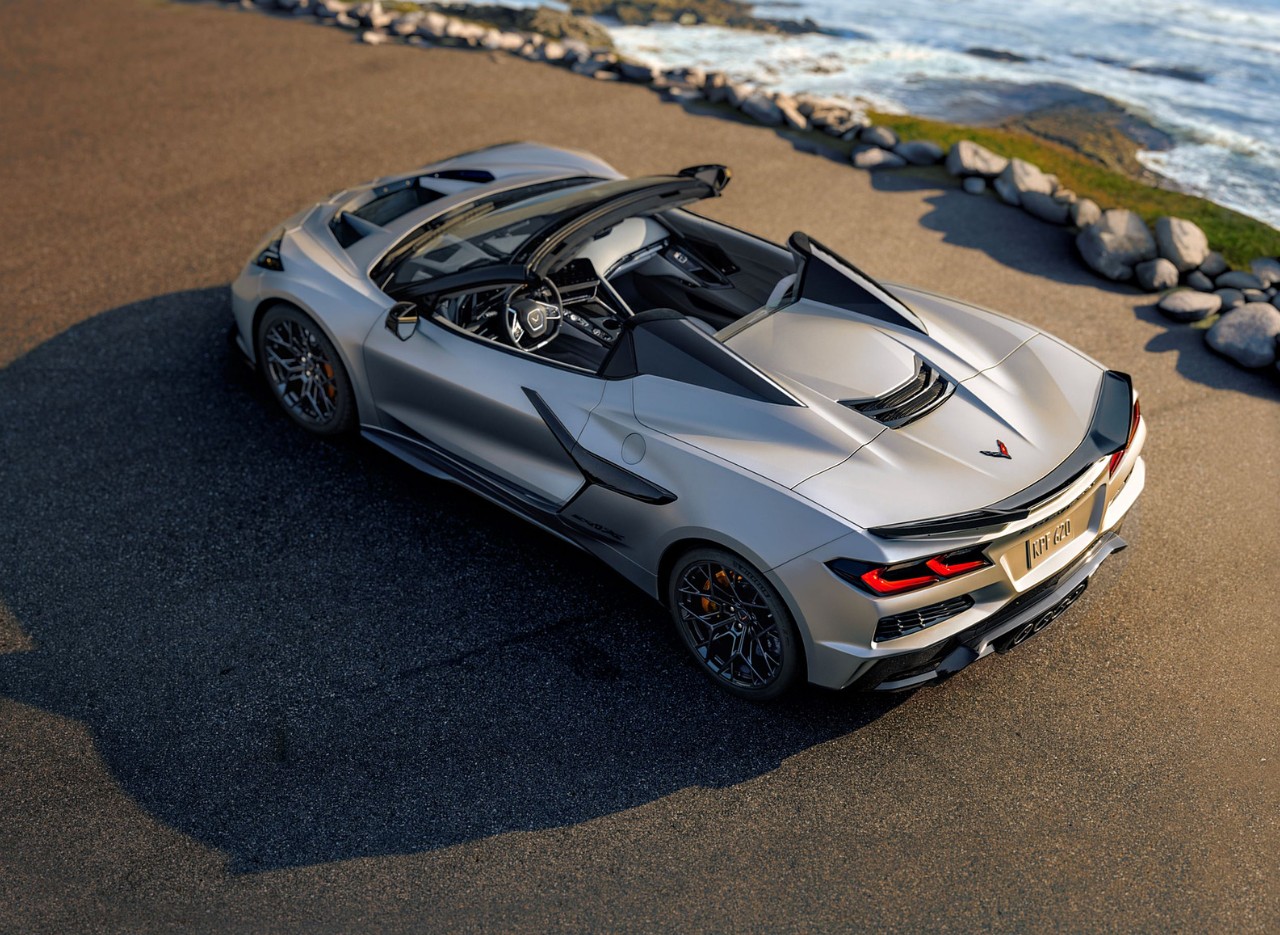
Wheel and tire development could also become a significant part of the 2028 ZR1X’s exterior and performance package. The current model uses staggered wheel dimensions, with wide rear tires designed to handle the substantial output of its twin-turbo V8. Its standard Michelin Pilot Sport 4S tires provide road-focused performance, while the available ZTK Performance Package introduces more aggressive Michelin Pilot Sport Cup 2R tires and additional track-oriented chassis adjustments. Chevrolet could develop new lightweight wheel designs, additional brake-caliper colors, and more distinctive exterior finishes for a future model. A broader selection of carbon-fiber components could further distinguish the ZR1X from the standard ZR1. The Quail Silver Limited Edition has already demonstrated Chevrolet’s willingness to introduce exclusive paint and trim combinations, giving collectors another reason to follow future special editions.
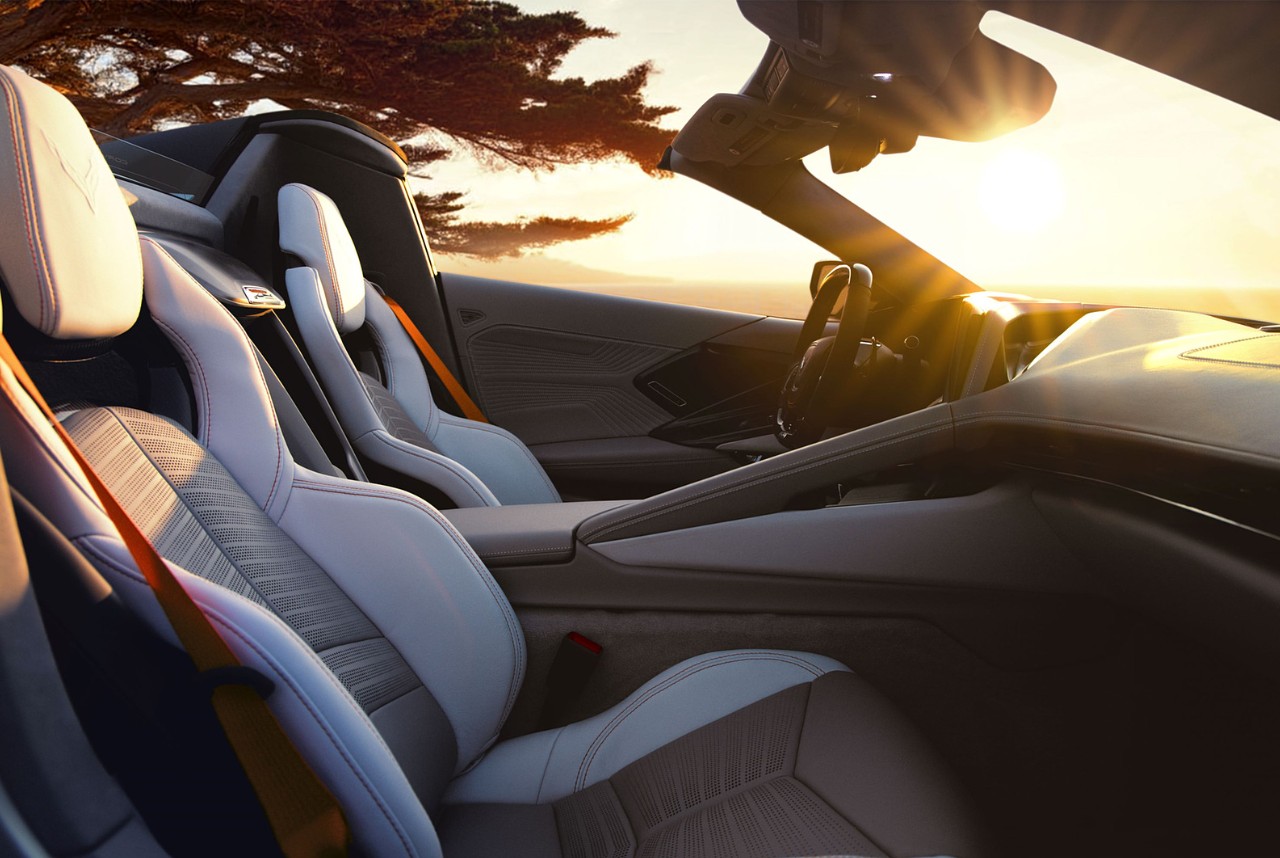
Inside, the 2028 Chevrolet Corvette ZR1X could benefit from refinements to an already modern driver-focused cockpit. The 2026 model introduced a redesigned interior with a three-screen layout, a revised center console, updated materials, and additional performance information. The digital instrument display places essential driving information directly in the driver’s field of view, while the central touchscreen manages navigation, entertainment, and vehicle settings. A future model could improve display responsiveness, simplify performance menus, and provide more detailed information about the hybrid system. Drivers could benefit from clearer battery temperature readings, electric motor operating data, and power-distribution information during track sessions. Improved cabin materials, additional personalization choices, and more comfortable seat adjustments would also strengthen the vehicle’s appeal during everyday driving. The interior should remain focused on the driver rather than becoming unnecessarily complicated with decorative technology.
2028 Chevrolet Corvette ZR1X Specs
Engine & Performance
The powertrain is unquestionably the defining feature of the Chevrolet Corvette ZR1X. Its 5.5-liter LT7 twin-turbocharged V8 is derived from Chevrolet’s high-performance small-block architecture and features a flat-plane crankshaft, specialized cylinder heads, and advanced forced-induction technology. In its current production specification, the engine delivers 1,064 horsepower at 7,000 rpm and 828 lb-ft of torque at 6,000 rpm. This output makes it one of the most powerful V8 engines offered in an American production sports car. The engine’s twin-turbochargers provide the airflow needed to generate enormous power, while its high-revving character supports the vehicle’s performance-oriented personality. For a potential 2028 version, Chevrolet could refine turbocharger response, cooling efficiency, and engine management software, although there is no confirmed announcement of additional engine output.
The front electric drive unit gives the ZR1X a major advantage over conventional rear-wheel-drive supercars. Producing 186 horsepower and 145 lb-ft of torque, the electric motor independently powers the front axle and creates an electrified all-wheel-drive system. This arrangement allows the rear wheels to receive power from the V8 while the front wheels benefit from electric assistance. The result is improved traction during hard acceleration and additional control when the vehicle exits corners. Unlike a conventional hybrid system designed primarily to reduce fuel consumption, the ZR1X’s electric hardware is engineered around performance. Its contribution is particularly valuable at low speeds, where immediate electric torque can help the vehicle launch with extraordinary force. A future model could refine the coordination between the combustion engine and electric motor to deliver even more predictable power delivery.
Acceleration figures demonstrate just how capable this combination has become. Chevrolet initially estimated that the ZR1X could accelerate from zero to 60 mph in under two seconds and complete the quarter-mile in less than nine seconds under suitable closed-course conditions. Subsequent development testing produced even more impressive results. Chevrolet reported a 1.68-second zero-to-60-mph run and an 8.675-second quarter-mile at approximately 159 mph on a prepared drag strip. These figures were achieved using the production engine calibration and standard-equipment tires under the specified test conditions. The vehicle’s available ZTK package also provides a different performance balance for drivers prioritizing track use. For 2028, further improvements could focus on launch-control calibration, traction management, transmission response, and repeatable performance during demanding driving sessions rather than simply pursuing a larger horsepower number.
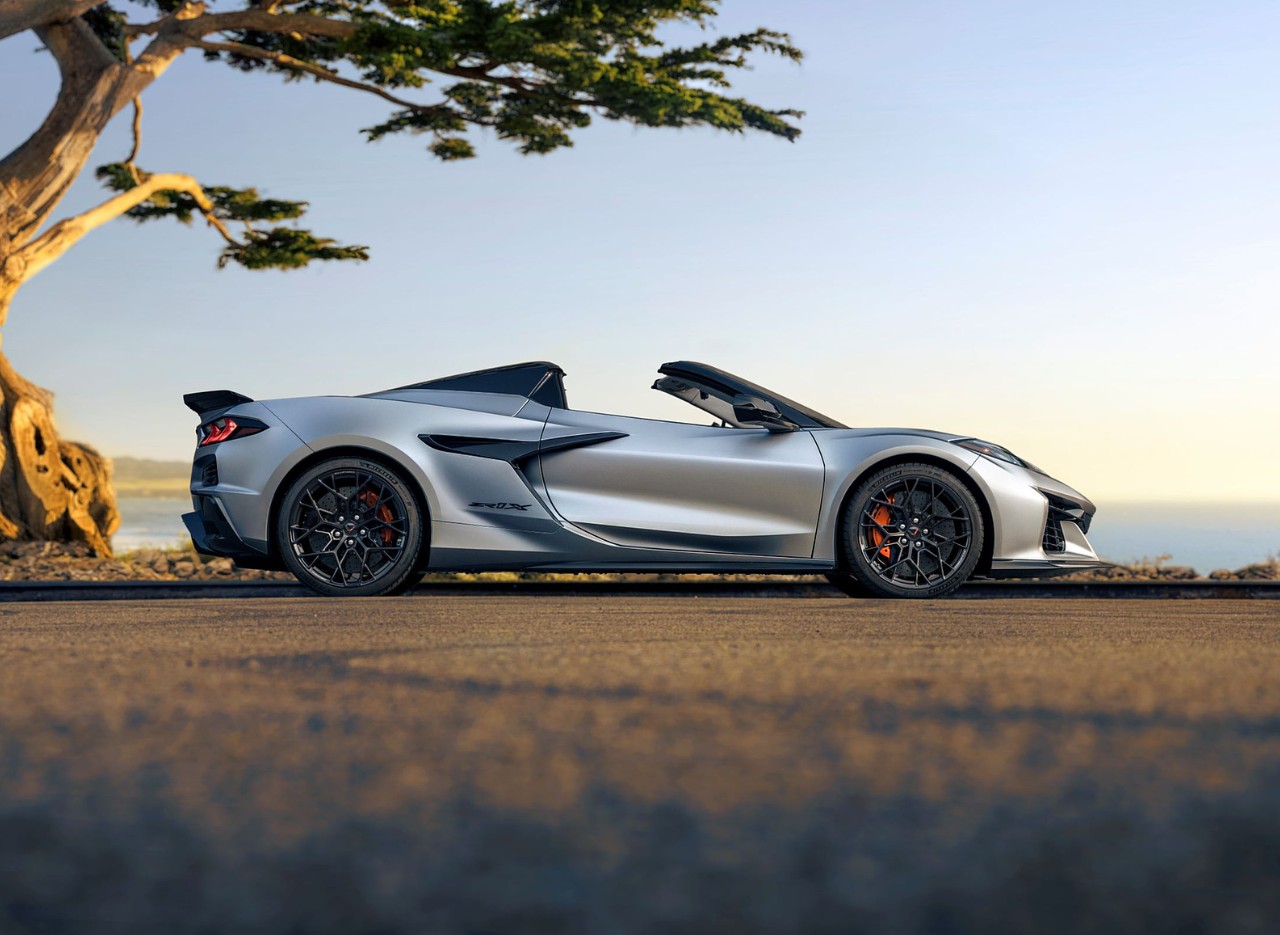
The transmission and chassis systems are equally important in managing the ZR1X’s enormous output. The rear-mounted V8 works with an eight-speed dual-clutch transmission, providing rapid gear changes while maintaining a close connection between engine performance and rear-wheel acceleration. The front electric motor operates independently, adding another layer of power delivery without requiring a conventional multi-speed transmission for the front axle. Carbon-ceramic braking hardware provides substantial stopping capability, while the sophisticated suspension system helps control the vehicle during high-speed cornering. A future 2028 model could introduce revised electronic suspension calibration, improved brake cooling, and additional selectable driving settings. These developments would help make the vehicle more predictable across different circuits. Chevrolet would also need to preserve the balance between road comfort and track capability, as the ZR1X is intended to offer more than a single-purpose racing experience. 2028 Chevrolet Corvette ZR1X Review
2028 Chevrolet Corvette ZR1X Fuel Economy
Fuel economy is a different consideration for the Corvette ZR1X because its hybrid system is designed primarily to increase performance rather than maximize electric driving distance. The vehicle is not a plug-in hybrid with an extended electric-only range, and drivers should not expect it to operate like a conventional battery-powered car. Its small performance-oriented battery supports the front electric drive unit, while the twin-turbocharged V8 remains responsible for the majority of propulsion. Published EPA fuel-economy figures for the current ZR1X are approximately 12 mpg in the city, 19 mpg on the highway, and 14 mpg combined. These numbers reflect the vehicle’s extraordinary power output and specialized performance hardware. A future model could achieve modest efficiency improvements through revised engine calibration, more effective energy recovery, and improved thermal management, but significant fuel-economy gains are unlikely to become the main objective of this flagship hypercar.
2028 Chevrolet Corvette ZR1X Safety Features
Safety engineering is essential in a vehicle capable of exceeding 1,200 horsepower, particularly when its acceleration and cornering performance approach the capabilities of dedicated track machines. The 2028 Chevrolet Corvette ZR1X could build on the existing C8 platform’s structural engineering, electronic stability systems, and driver-assistance technologies. A potential update could improve the integration of traction control, stability management, and the electronic all-wheel-drive system. These systems are especially important because the vehicle distributes power through two different propulsion sources. The control software must manage the relationship between engine output, electric torque, tire grip, and vehicle movement. Improved processing could make the car more consistent when accelerating out of corners or encountering changing road surfaces. However, electronic assistance should not be interpreted as a guarantee of safety when driving at extreme speeds.
The braking system is another major component of the ZR1X’s safety package. Its carbon-ceramic brakes are designed to withstand substantial heat and repeated high-speed deceleration, making them appropriate for the vehicle’s exceptional performance level. Large braking components and carefully managed airflow help control temperatures during demanding use. A future version could benefit from additional brake-cooling refinements, revised brake-control software, and more detailed temperature monitoring. The relationship between braking and regenerative energy recovery is also worth considering. The front electric drive unit can contribute to energy management during deceleration, although the vehicle’s primary stopping capability remains dependent on its mechanical braking system. Chevrolet could improve the coordination between these systems to create smoother transitions while maintaining the strong pedal response expected from a serious performance car.
Driver assistance and visibility technologies could also receive attention. The current Corvette platform offers features such as available Rear Cross Traffic Alert, Side Blind Zone Alert, Rear Park Assist, and camera-based visibility assistance depending on the selected equipment and model configuration. These functions can help drivers manage situations that are less related to high-speed performance, including reversing out of parking spaces and changing lanes in traffic. A future ZR1X could receive improved camera resolution, clearer digital parking views, and more advanced obstacle detection. Front-axle lift technology is another useful feature for protecting the vehicle’s low front bodywork when approaching steep driveways, speed bumps, or parking ramps. Such practical equipment makes a meaningful difference to owners who intend to use their expensive performance car outside controlled track environments.
Technology inside the cabin will remain an important part of the ZR1X experience. The current three-screen cockpit and Performance App provide access to vehicle data that helps drivers understand how the car behaves under different conditions. A future version could expand this functionality with more detailed hybrid-system information, improved lap timing, additional performance recording options, and more sophisticated navigation features. Drivers could benefit from clearer displays showing power delivery between the front electric motor and rear V8, allowing them to understand how the hybrid system responds during acceleration and cornering. Smartphone connectivity, premium audio equipment, wireless charging, and connected vehicle services could also receive refinements. Chevrolet could further improve software responsiveness and over-the-air update capabilities, provided the required hardware supports those functions. The objective would be to make the ZR1X technologically advanced without distracting the driver from the road.
2028 Chevrolet Corvette ZR1X Release Date & Price
The 2028 Chevrolet Corvette ZR1X trim structure has not been officially announced, but the current lineup provides a strong indication of how Chevrolet positions its flagship performance model. The existing range includes 1LZ and 3LZ configurations, with both coupe and hardtop convertible body styles available. The 1LZ represents the more accessible entry point into ZR1X ownership, offering the core powertrain, advanced chassis hardware, and essential performance equipment. The 3LZ adds a more premium approach through additional interior materials, comfort equipment, and convenience features. This distinction allows buyers to choose between a more focused performance configuration and a more extensively equipped hypercar experience. Chevrolet could retain the same structure for 2028, although additional equipment revisions or exclusive packages remain possible.
The ZTK Performance Package is particularly important for customers who intend to use their Corvette ZR1X regularly on a race circuit. This package introduces track-focused suspension calibration, higher spring rates, and more aggressive Michelin Pilot Sport Cup 2R tires. It also works with the ZR1X Carbon Fiber Aero Package to provide additional aerodynamic performance. Chevrolet has stated that the available high-downforce configuration can generate approximately 1,200 pounds of downforce at top speed. This additional aerodynamic load helps the vehicle maintain stability and grip during high-speed driving, although it also introduces greater drag and requires the chassis to be calibrated accordingly. A future 2028 model could expand the range of track-focused options through additional lightweight components, improved cooling equipment, and more advanced driver-adjustable settings. However, the existing ZTK configuration already provides an impressive foundation.
Pricing will be one of the most important considerations for prospective buyers. Chevrolet initially announced the 2026 Corvette ZR1X with a starting MSRP of $207,395 for the 1LZ coupe and $217,395 for the 1LZ convertible, including the announced destination freight charge. The 3LZ coupe was priced from $218,395, while the 3LZ convertible started at $228,395. Chevrolet’s current 2027 model information lists a starting price of approximately $227,800, illustrating how the pricing structure has evolved. There is no confirmed 2028 MSRP at this stage. A future version could start somewhere around $230,000 to $245,000 if Chevrolet makes moderate pricing adjustments, while heavily optioned examples could exceed $270,000. These figures are editorial projections rather than official prices. Carbon-fiber wheels, aerodynamic packages, upgraded interiors, and exclusive paint finishes could increase the final transaction price considerably.
The 2028 Chevrolet Corvette ZR1X release date remains unconfirmed because Chevrolet has not announced a separate 2028 production schedule. The 2026 model entered production in December 2025 at General Motors’ Bowling Green Assembly Plant in Kentucky, and Chevrolet has subsequently listed the 2027 ZR1X in its official lineup. A future 2028 version could receive an announcement during 2027 if the manufacturer follows its usual model-year planning schedule. However, no specific reveal date, ordering window, or dealership arrival period should be treated as confirmed. Customers interested in purchasing a ZR1X should also consider production availability, allocation restrictions, optional equipment, and dealer pricing. Demand for a 1,250-horsepower American hypercar could create significant competition for limited production slots, especially among collectors and enthusiasts seeking one of the most powerful Corvettes ever developed. 2028 Chevrolet Corvette ZR1X Review
Conclusion
The 2028 Chevrolet Corvette ZR1X has the potential to continue one of the most ambitious performance projects in the history of the Corvette nameplate. Its combination of a 1,064-horsepower twin-turbocharged V8, a 186-horsepower front electric motor, and electrified all-wheel drive already delivers performance that places it among the world’s most impressive production cars. A future model could become even more compelling through refinements to aerodynamics, chassis control, battery management, and cabin technology. Its greatest advantage is the way it combines traditional American V8 character with modern hybrid engineering rather than replacing the combustion engine entirely. Although its future specifications, pricing, and launch schedule remain unconfirmed, the existing ZR1X demonstrates how far Chevrolet can push the Corvette platform. For enthusiasts seeking extraordinary speed, advanced engineering, and unmistakable American performance, the next chapter of the ZR1X deserves close attention.
Note: Most of the content in this blog post comes from sources that were accessible before the product was released. Consult official sources or get in touch with your neighborhood dealership for the most recent information.
Frequently Asked Questions
2028 Chevrolet Corvette ZR1X Review, Specs, Price - The 2028 Chevrolet Corvette ZR1X could represent the next chapter in America's growing hypercar revolution, combining extraordinary V8 performance with electrified all-wheel-drive technology. The ZR1X name already stands at the top of Chevrolet's eighth-generation Corvette lineup, bringing together the engineering…
The current Corvette ZR1X is more than a conventional high-output sports car with an electric motor added for marketing purposes. Its electrified front axle creates an advanced all-wheel-drive system, allowing the vehicle to combine the rear-mounted V8's immense power with immediate electric torque at the front wheels. This…
The Corvette ZR1X also represents an important development in the history of the American performance car. For decades, the Corvette has offered customers an alternative to expensive European sports cars through a combination of powerful engines, distinctive styling, and competitive track capability. The eighth-generation mid-engine platform significantly changed…
Chevrolet has not officially confirmed a 2028 Corvette ZR1X redesign, production schedule, or final specification sheet. The production 2026 ZR1X established the model's initial specifications, while Chevrolet's current lineup has already introduced the 2027 model with a starting price displayed around $227,800 on its official website. This means…
2028 Chevrolet Corvette ZR1X Redesign and Update Plan Exterior & Interior The exterior design of a potential 2028 Chevrolet Corvette ZR1X would need to preserve the aggressive aerodynamic identity that separates this model from other C8 Corvette versions. The existing ZR1X features a low nose, wide bodywork, carefully…