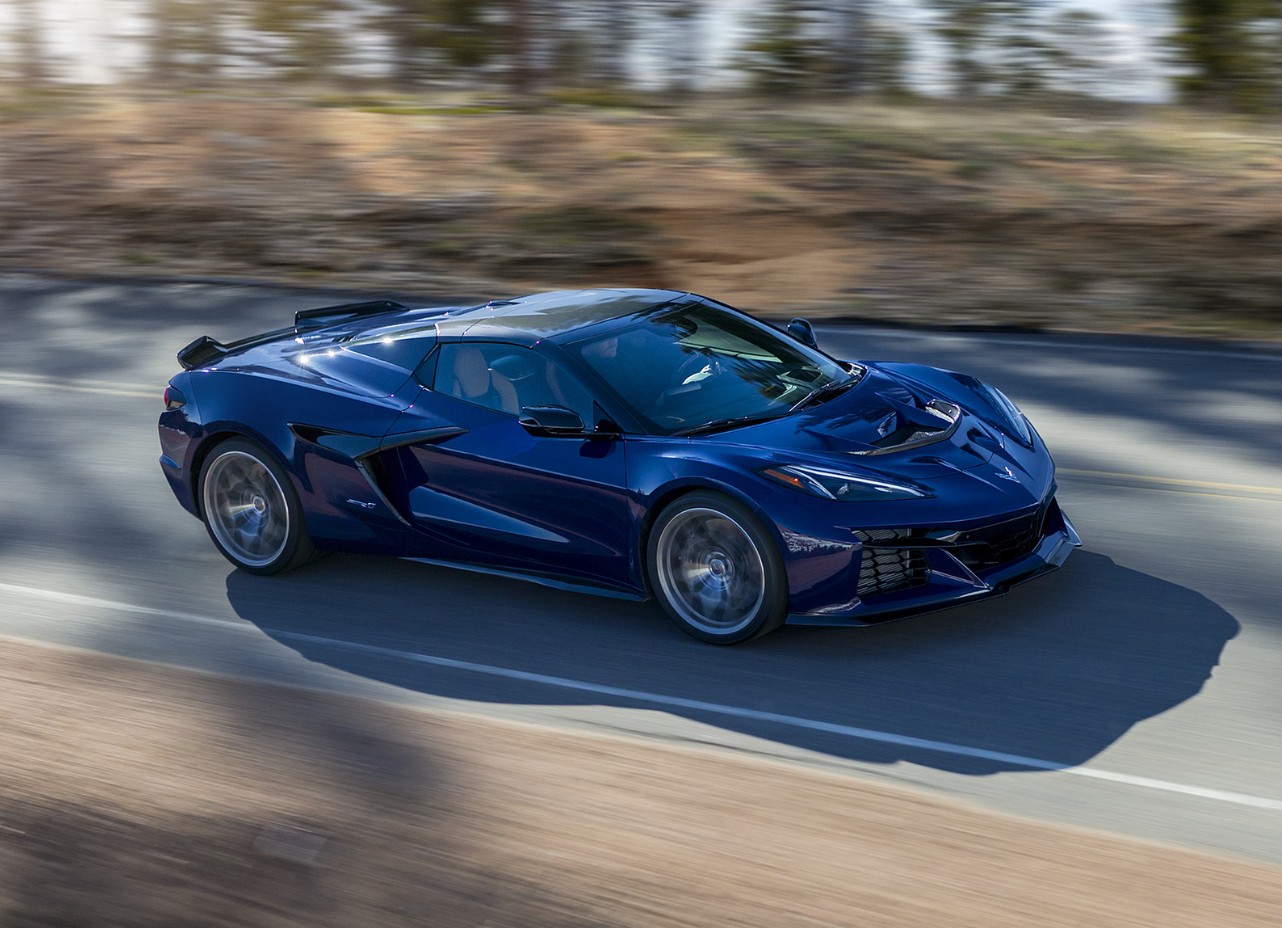
2028 Chevrolet Corvette ZR1 Price, Specs, Dimensions – The 2028 Chevrolet Corvette ZR1 could continue the evolution of one of the most powerful and technologically advanced American sports cars ever developed. Positioned above the Corvette Stingray and Z06, the ZR1 represents Chevrolet’s commitment to extreme performance, combining a mid-engine layout, a twin-turbocharged V8, advanced aerodynamics, and sophisticated chassis engineering. Its current generation has already established extraordinary performance credentials, producing 1,064 horsepower and 828 lb-ft of torque from a 5.5-liter LT7 engine. Unlike the electrified ZR1X, the conventional ZR1 sends its power exclusively to the rear wheels, preserving a more traditional high-performance driving character. For 2028, enthusiasts will be watching for potential improvements to engine calibration, cooling systems, aerodynamic efficiency, and track-focused equipment.
The existing C8 Corvette ZR1 has changed expectations about what an American production sports car can accomplish. Its mid-engine architecture provides a different balance of weight distribution and handling characteristics compared with earlier front-engine Corvettes. Meanwhile, the LT7 engine combines a flat-plane crankshaft with twin turbochargers, allowing Chevrolet to achieve more than 1,000 horsepower without introducing an electric motor. The result is a vehicle capable of competing with considerably more expensive European performance machines. Its acceleration, high-speed stability, and track capability demonstrate how far Chevrolet’s engineering program has developed. A potential 2028 version would not necessarily need a completely new platform to remain competitive. Carefully selected mechanical and electronic improvements could strengthen an already impressive package.
One important distinction separates the Corvette ZR1 from the ZR1X. Both models use the 5.5-liter twin-turbocharged LT7 V8, but the ZR1X adds an electric front motor and an electrified all-wheel-drive system, producing 1,250 combined horsepower. The standard ZR1 retains rear-wheel drive and relies entirely on its combustion engine for propulsion. This difference creates two distinct driving experiences within Chevrolet’s flagship Corvette family. The ZR1 focuses on delivering a direct connection between the driver, the rear-mounted V8, and the rear tires, while the ZR1X emphasizes maximum traction and hybrid-assisted acceleration. For buyers who prefer a powerful naturally mechanical driving experience without hybrid assistance, the conventional ZR1 remains an especially appealing option.
Chevrolet has not officially confirmed a dedicated 2028 Corvette ZR1, including its final specifications, pricing, or production schedule. The 2027 model provides the most reliable reference point for discussing the vehicle’s future direction. Industry reports have also suggested that the next-generation C9 Corvette could arrive for the 2030 model year, making a complete redesign of the ZR1 in 2028 less certain. Therefore, a future 2028 version is best considered a potential continuation or refinement of the current C8 platform rather than an officially announced new generation. Any changes involving horsepower, styling, interior equipment, or performance figures should remain projections until Chevrolet publishes its production specifications. 2028 Chevrolet Corvette ZR1 Price
2028 Chevrolet Corvette ZR1 Redesign and Update Plan
Exterior & Interior
The exterior of a potential 2028 Chevrolet Corvette ZR1 would likely retain the aggressive proportions that make the current model instantly recognizable. Its low front section, wide body, sculpted side panels, and mid-engine configuration create a purposeful appearance that communicates its performance capabilities. Unlike ordinary sports cars that rely heavily on decorative styling, the ZR1 incorporates aerodynamic features designed to manage airflow and maintain stability at extremely high speeds. The front bumper features substantial air openings, while the hood incorporates functional airflow management elements. Chevrolet could introduce revised LED lighting, updated front fascia details, and additional carbon-fiber components for a future model. These changes would provide a fresher appearance while maintaining the cooling and aerodynamic requirements of the twin-turbocharged engine.
The side profile is another important part of the Corvette ZR1’s identity. Large side air intakes direct cooling air toward the engine and associated components, while the sculpted bodywork helps manage airflow around the rear wheels. The wide rear fenders accommodate substantial tire dimensions, providing the grip necessary to control more than 1,000 horsepower. For 2028, Chevrolet could introduce additional exterior colors, revised wheel finishes, and new carbon-fiber appearance options. Lightweight forged wheels would also remain attractive for customers interested in reducing unsprung mass and improving handling response. The available carbon-fiber components could receive further refinements, potentially improving the relationship between aerodynamic performance and vehicle weight. A complete styling transformation is not necessary for the ZR1 to remain visually distinctive.
At the rear, the ZR1’s aerodynamic equipment plays an essential role in its high-speed performance. The current model features a prominent rear spoiler, functional cooling openings, an aggressive diffuser area, and exhaust outlets integrated into the rear fascia. Chevrolet’s available Carbon Fiber Aero Package introduces additional aerodynamic components, including a high-downforce rear wing and other carbon-fiber elements. With the appropriate configuration, the package can generate more than 1,200 pounds of downforce at high speed. A future 2028 version could refine these components to improve airflow efficiency, reduce unnecessary drag, and provide more consistent aerodynamic balance during high-speed cornering. The ZTK Performance Package could also remain an important option for customers who prioritize track performance over everyday road comfort.
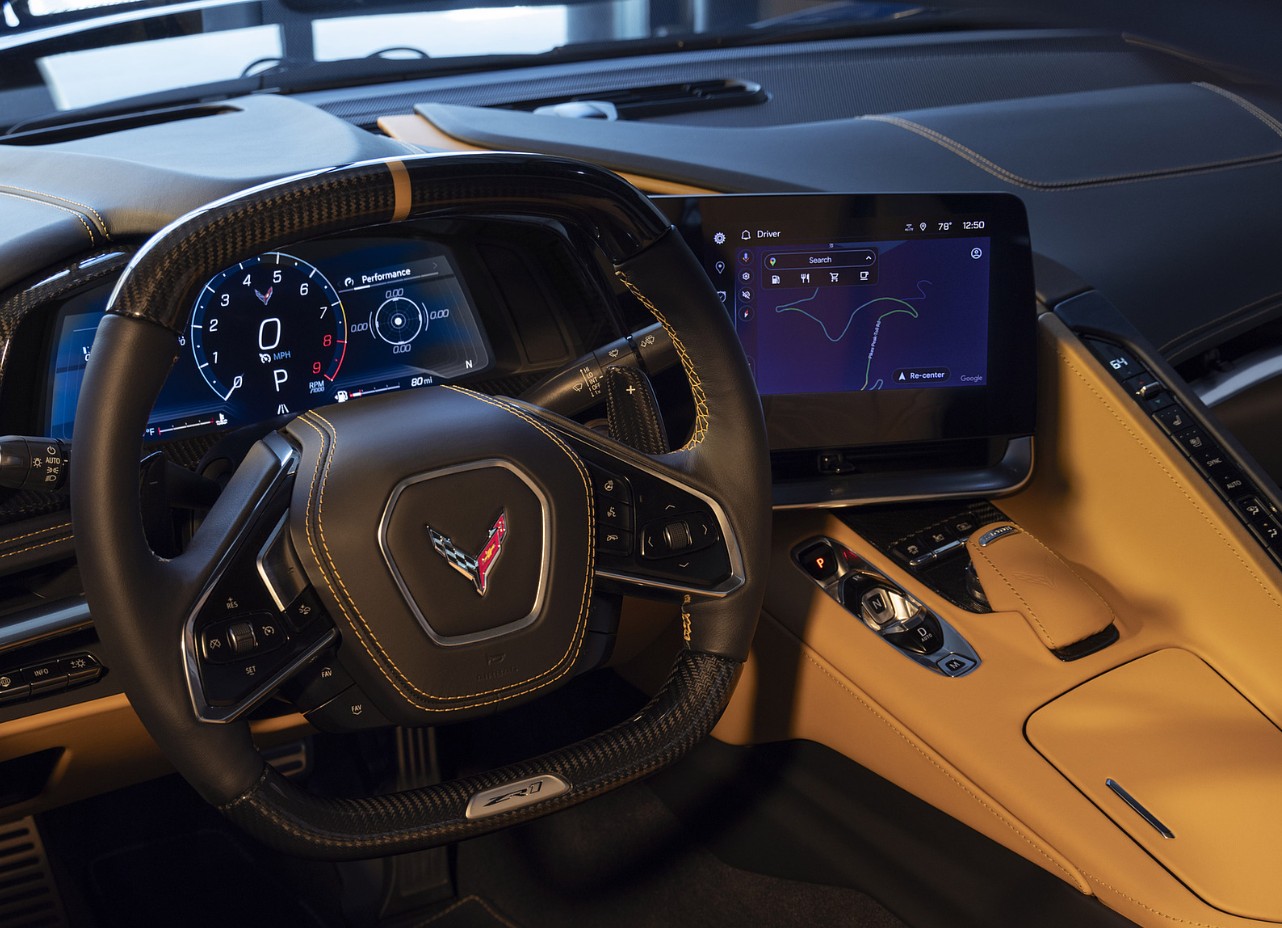
Inside, the 2028 Chevrolet Corvette ZR1 could continue using the modern three-screen cockpit introduced with the updated C8 interior. The current arrangement combines a digital instrument display, a large central infotainment touchscreen, and an additional driver-oriented display area. This setup allows important vehicle information, navigation, entertainment, and performance data to remain accessible without overwhelming the driver. Chevrolet could improve the software interface, touchscreen responsiveness, and display graphics for a future model. Additional information about turbocharger operation, engine temperatures, transmission behavior, and performance recording would be particularly useful during track sessions. Interior material choices could also expand, with more carbon-fiber finishes, premium leather surfaces, and distinctive ZR1 stitching. The cabin should continue emphasizing driver engagement while providing enough comfort for longer journeys.
2028 Chevrolet Corvette ZR1 Specs
Engine & Performance
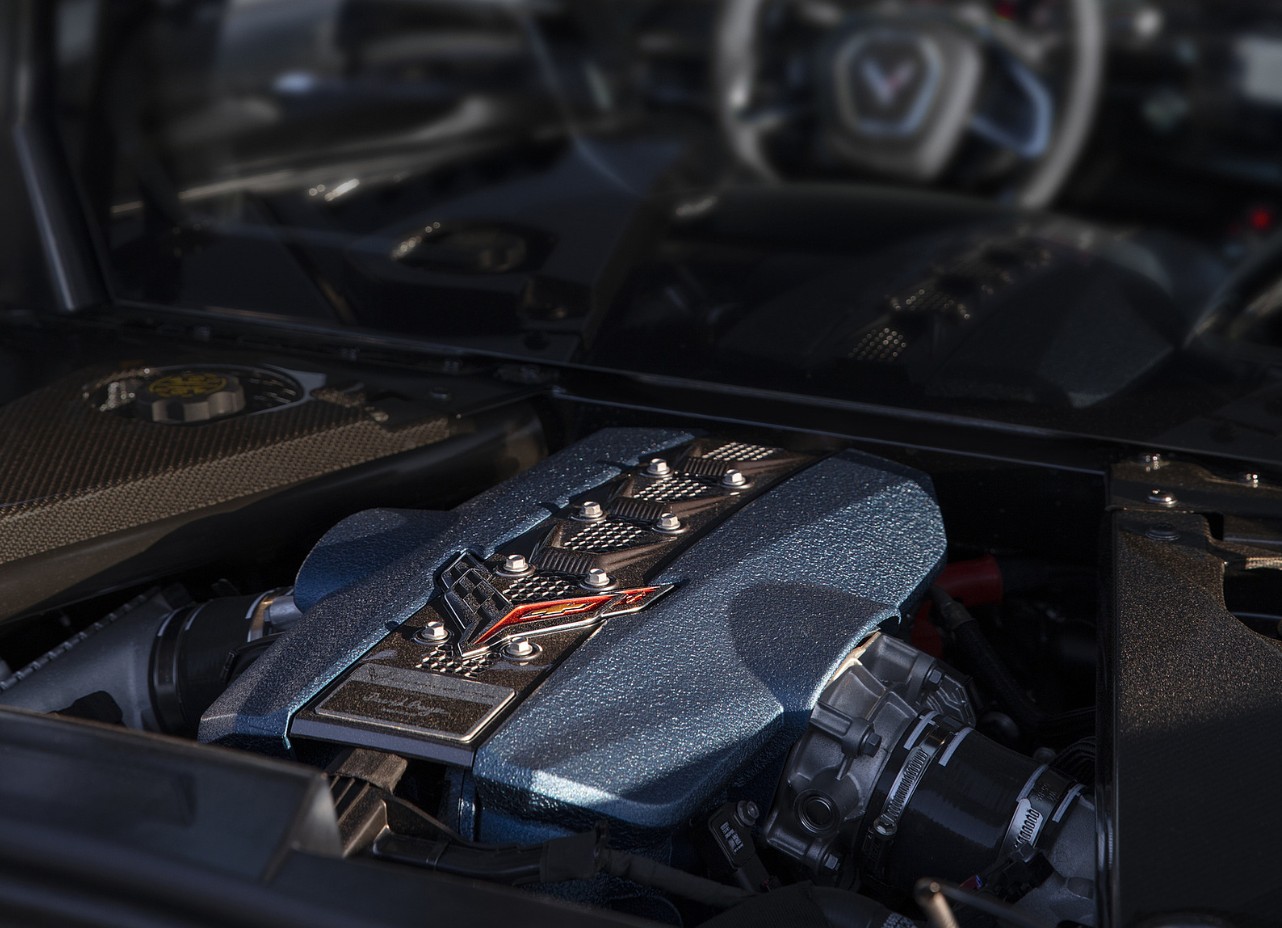
The 2028 Chevrolet Corvette ZR1’s greatest attraction would remain its extraordinary LT7 engine if Chevrolet continues the current powertrain architecture. This 5.5-liter V8 features a flat-plane crankshaft, dual overhead camshafts, direct fuel injection, and two turbochargers engineered to support extremely high power output. In its existing production configuration, the engine produces 1,064 horsepower at 7,000 rpm and 828 lb-ft of torque at 6,000 rpm. Its 8,000-rpm redline gives the ZR1 a distinctive high-revving character despite the substantial torque delivered by its turbochargers. The LT7 is not simply a larger version of an ordinary Corvette engine. Its specialized components, cooling requirements, and forced-induction system have been developed specifically to withstand demanding performance conditions.
Power is delivered to the rear wheels through an eight-speed dual-clutch transmission. This gearbox combines the rapid shifting characteristics required for high-performance driving with the smooth operation expected from a modern automatic transmission. Its closely spaced ratios help keep the engine within an effective power range during acceleration, while paddle shifters allow drivers to take greater control of gear selection. The rear-wheel-drive configuration makes throttle management particularly important, especially when accelerating out of tight corners or driving on surfaces with limited grip. A potential 2028 update could improve transmission software, clutch control, and power delivery during aggressive acceleration. Better coordination between the engine, transmission, and traction-control systems could make the car more predictable without removing the demanding character expected from a 1,064-horsepower rear-wheel-drive supercar.
Acceleration is one of the most impressive aspects of the current Corvette ZR1. Chevrolet advertises a zero-to-60-mph time of approximately 2.3 seconds when equipped with the appropriate performance equipment, while the quarter-mile can be completed in approximately 9.6 seconds at 150 mph. The available ZTK Performance Package also supports a claimed track top speed of up to 233 mph. These figures place the ZR1 among the fastest production Corvettes ever developed and give it the ability to challenge some of the world’s most expensive supercars. A future 2028 version could improve launch-control calibration, traction management, and acceleration consistency. However, additional horsepower is not necessarily the most important development target. Better tire performance, cooling capacity, braking consistency, and aerodynamic stability could deliver more meaningful improvements during repeated high-speed driving.
The chassis and suspension systems must work together to control the LT7 engine’s substantial output. The current Corvette ZR1 uses Magnetic Selective Ride Control 4.0, an advanced suspension system designed to adjust damping characteristics according to road conditions and driving inputs. Standard carbon-ceramic brakes provide substantial stopping capability, while the available ZTK package introduces additional track-oriented suspension and tire equipment. Michelin Pilot Sport 4S tires are suitable for high-performance road use, while the more aggressive Pilot Sport Cup 2R tires are available for customers seeking greater track capability. A potential 2028 version could receive revised suspension calibration, improved brake cooling, and additional lightweight components. These changes could improve cornering precision, reduce braking fatigue, and help the vehicle maintain consistent performance during demanding circuit driving. 2028 Chevrolet Corvette ZR1 Price
2028 Chevrolet Corvette ZR1 Fuel Economy
Fuel economy is not the main priority of the Corvette ZR1, but it remains an important ownership consideration. Its twin-turbocharged 5.5-liter V8 is engineered to deliver extraordinary power rather than minimize gasoline consumption. The current model carries EPA estimates of approximately 12 mpg in city driving, 18 mpg on the highway, and 14 mpg combined, although the exact figures can vary by model year and configuration. Aggressive acceleration, extended high-speed driving, and track use can increase fuel consumption considerably. A future version could benefit from improved engine management, more efficient turbocharger operation, and refined transmission calibration. Nevertheless, significant fuel-economy improvements should not be expected without major changes to the powertrain. Buyers should consider the ZR1 a specialized performance vehicle rather than an economical everyday transportation option.
2028 Chevrolet Corvette ZR1 Safety Features
Safety technology will remain an important consideration for the 2028 Chevrolet Corvette ZR1, especially because its acceleration and top-speed capabilities demand sophisticated vehicle-control systems. The current C8 platform incorporates electronic stability control, traction management, advanced braking hardware, and driver-assistance technology designed to support everyday operation. These systems work together to help maintain control during acceleration, cornering, and emergency maneuvers. A future ZR1 could receive improved software calibration to make the interaction between engine output, rear-wheel traction, and electronic stability control more precise. Such improvements would be particularly valuable when the vehicle is driven near the limits of its tires. Nevertheless, no electronic system can eliminate the physical limitations of grip, braking distance, or road conditions.
The braking system is especially important in a vehicle capable of reaching speeds above 200 mph on a suitable track. The current Corvette ZR1 uses standard carbon-ceramic brakes designed to withstand the heat generated by repeated high-speed deceleration. The available ZTK package adds more specialized braking and chassis equipment for demanding circuit use, including upgraded Alcon carbon-ceramic hardware on appropriately equipped configurations. A future model could benefit from further improvements in brake cooling, temperature monitoring, and electronic brake control. Better communication between the braking system and the vehicle’s performance software could also help drivers understand when components are approaching their operating limits. These refinements would support more consistent performance during extended track sessions and demanding road use.
Visibility and parking assistance are equally relevant because the Corvette’s low seating position and wide body can make certain driving situations challenging. The current C8 platform offers available features such as Rear Cross Traffic Alert, Side Blind Zone Alert, Rear Park Assist, and camera-based visibility assistance, depending on the selected configuration. A future model could introduce improved camera resolution, clearer parking graphics, and more advanced obstacle detection. Front-axle lift technology is another valuable feature because it helps protect the low front end when approaching steep driveways, parking ramps, or speed bumps. Chevrolet could further refine the system by improving its operation and integration with vehicle memory settings. These everyday conveniences make a high-performance sports car easier to use without changing its fundamental character.
Interior technology could become another area of improvement for the 2028 ZR1. The existing infotainment system provides access to navigation, smartphone connectivity, entertainment, and vehicle settings, while the digital displays present important performance information. Chevrolet could expand the available Performance App with more detailed lap timing, acceleration measurements, engine temperature data, and additional vehicle telemetry. A more advanced interface could also make it easier to review driving information after a track session. Premium audio equipment, wireless charging, connected services, and improved voice-command functionality could enhance everyday convenience. However, the most important technological improvements should remain focused on helping the driver operate the vehicle confidently. The ZR1’s cockpit should provide useful information quickly without distracting from the driving experience. 2028 Chevrolet Corvette ZR1 Price
2028 Chevrolet Corvette ZR1 Release Date & Price
The 2028 Chevrolet Corvette ZR1 trim lineup has not been officially announced, but the current model provides a useful reference for understanding Chevrolet’s equipment strategy. The existing range includes 1LZ and 3LZ configurations, available in coupe and hardtop convertible body styles. The 1LZ is the more performance-focused entry point, providing the essential mechanical equipment and technology expected from the ZR1. It offers buyers access to the 1,064-horsepower LT7 engine, eight-speed dual-clutch transmission, advanced suspension, and carbon-ceramic braking system. The 3LZ adds a more luxurious cabin experience with additional comfort equipment, premium materials, and convenience features. Chevrolet could retain these two configurations for 2028, although changes to standard equipment and available options remain possible.
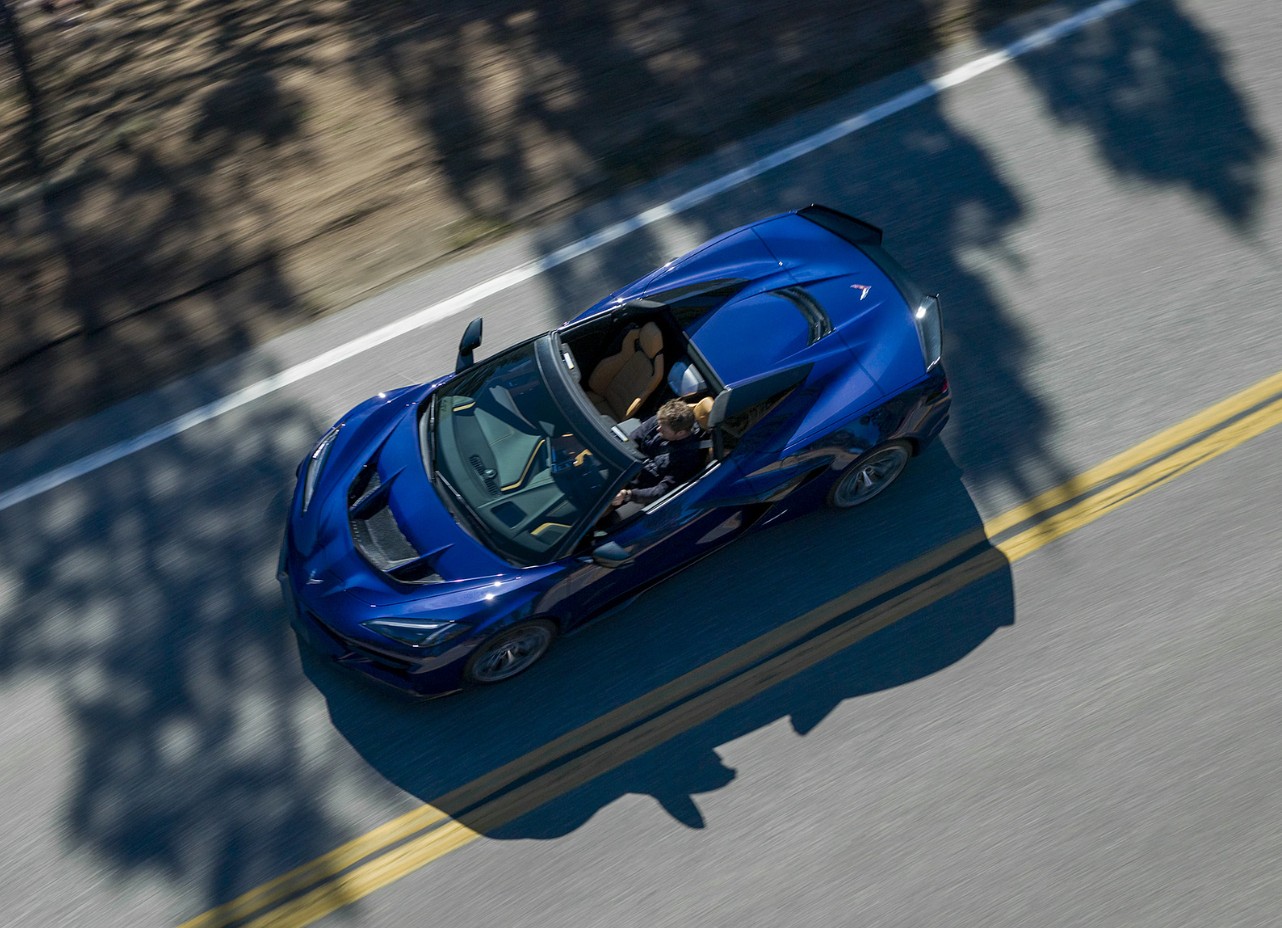
The ZTK Performance Package deserves particular attention because it transforms the ZR1 into an even more specialized track machine. Its equipment includes more aggressive Michelin Pilot Sport Cup 2R tires, revised suspension tuning, and additional aerodynamic components designed to generate greater downforce. Combined with the available Carbon Fiber Aero Package, the vehicle can produce more than 1,200 pounds of downforce under suitable high-speed conditions. This additional aerodynamic load improves tire contact and stability, especially during fast corners. Customers who primarily drive on public roads may prefer the standard configuration because it offers a more balanced approach to comfort and performance. However, enthusiasts who regularly visit race circuits will find the ZTK package particularly attractive. A future 2028 version could introduce further lightweight components or revised aerodynamic options for customers seeking an even more focused driving experience.
Pricing will remain a major factor because the Corvette ZR1 competes in an expensive segment of the global sports car market. Chevrolet currently lists the 2027 Corvette ZR1 with a starting price of approximately $198,000 in the United States. The final purchase price depends on the selected trim, body style, destination charge, applicable taxes, dealer fees, and optional equipment. For the 2028 model, an estimated starting price between $200,000 and $215,000 would be a reasonable editorial projection if Chevrolet makes modest annual adjustments. A fully equipped 3LZ convertible with the ZTK Performance Package and extensive carbon-fiber options could cost substantially more. Exclusive paint finishes, specialized wheels, and premium interior materials could also increase the final price. These estimates are not official Chevrolet pricing, and buyers should wait for the manufacturer’s published MSRP before making purchasing decisions.
The release date of the 2028 Chevrolet Corvette ZR1 has not been confirmed. Chevrolet currently offers the 2027 ZR1 as part of its eighth-generation Corvette lineup, while industry reporting has suggested that the next-generation C9 Corvette could enter production during 2029 for the 2030 model year. This makes a 2028 ZR1 continuation more plausible than assuming an entirely new generation will arrive immediately. If Chevrolet follows its usual model-year schedule, additional information about a potential 2028 version could emerge during 2027. However, there is no confirmed reveal date, production start, ordering window, or dealership delivery schedule. Prospective buyers should follow Chevrolet’s official announcements for accurate information about availability, specifications, and pricing rather than relying on speculative launch calendars.
Conclusion
The 2028 Chevrolet Corvette ZR1 could remain one of the most exciting choices for enthusiasts who want extreme performance without hybrid assistance. Its defining combination of a 1,064-horsepower twin-turbo V8, rear-wheel drive, advanced aerodynamics, and a sophisticated mid-engine platform gives it a distinct identity within the Corvette family. A future update could strengthen its appeal through improved cooling, more refined chassis calibration, additional carbon-fiber components, and upgraded cabin technology. Its greatest advantage is the balance between extraordinary mechanical performance and the traditional driving character of a powerful V8 sports car. Although Chevrolet has not confirmed the 2028 model, the existing ZR1 already demonstrates the capabilities of modern American performance engineering. For drivers who value extreme speed, precise handling, and an unmistakable twin-turbo V8 soundtrack, the next chapter of the Corvette ZR1 is worth watching.
Note: Most of the content in this blog post comes from sources that were accessible before the product was released. Consult official sources or get in touch with your neighborhood dealership for the most recent information.
Frequently Asked Questions
2028 Chevrolet Corvette ZR1 Price, Specs, Dimensions - The 2028 Chevrolet Corvette ZR1 could continue the evolution of one of the most powerful and technologically advanced American sports cars ever developed. Positioned above the Corvette Stingray and Z06, the ZR1 represents Chevrolet's commitment to extreme performance, combining a…
The existing C8 Corvette ZR1 has changed expectations about what an American production sports car can accomplish. Its mid-engine architecture provides a different balance of weight distribution and handling characteristics compared with earlier front-engine Corvettes. Meanwhile, the LT7 engine combines a flat-plane crankshaft with twin turbochargers, allowing Chevrolet…
One important distinction separates the Corvette ZR1 from the ZR1X. Both models use the 5.5-liter twin-turbocharged LT7 V8, but the ZR1X adds an electric front motor and an electrified all-wheel-drive system, producing 1,250 combined horsepower. The standard ZR1 retains rear-wheel drive and relies entirely on its combustion engine…
Chevrolet has not officially confirmed a dedicated 2028 Corvette ZR1, including its final specifications, pricing, or production schedule. The 2027 model provides the most reliable reference point for discussing the vehicle's future direction. Industry reports have also suggested that the next-generation C9 Corvette could arrive for the 2030…
2028 Chevrolet Corvette ZR1 Redesign and Update Plan Exterior & Interior The exterior of a potential 2028 Chevrolet Corvette ZR1 would likely retain the aggressive proportions that make the current model instantly recognizable. Its low front section, wide body, sculpted side panels, and mid-engine configuration create a purposeful…